Buying an HVAC Business?
We'll Help You Move Forward with Confidence.
Acquiring an HVAC company is a major investment in equipment, licenses, and reputation. We're here to help you understand what you're buying, protect what matters, and close the deal with clarity.
This Is a Big Decision.
And You Shouldn't Navigate It Alone.
Buying an HVAC business is exciting. It's also complex. Between service contracts, licensing requirements, vehicle fleets, and technician staffing, there's a lot to evaluate, and most of it falls outside your day-to-day operating experience.
You're not just buying trucks and tools. You're stepping into someone else's customer relationships, contracts, and obligations. The right legal partner helps you see the full picture before you sign.
At Fourscore, we work with first-time HVAC buyers, private equity-backed platforms doing roll-ups, and experienced operators growing their portfolio. We bring the same care and attention to every transaction because we know how much this decision matters to you.
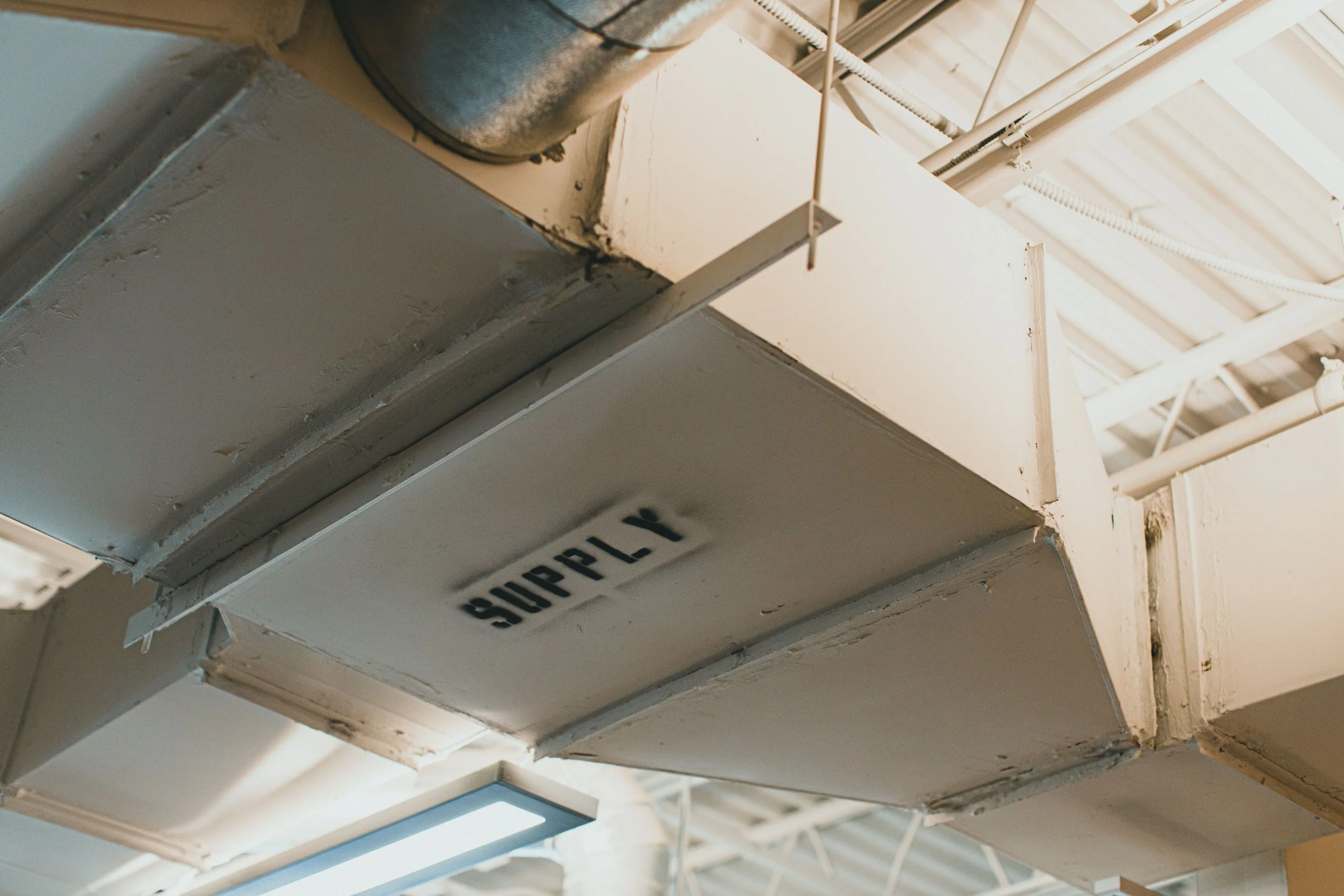
Picture by Adrien Olichon.
Photo by Jonathan Cooper
Due Diligence That Protects Your Investment
We coordinate with your broker, lender, and CPA to make sure nothing falls through the cracks. Here's what a legal review typically covers:
Ownership & Structure
Is this an asset purchase or stock purchase, and what's the difference for you? Does the seller actually own what they're selling, including equipment, vehicles, and the brand name? Are there liens on equipment, vehicles, or accounts receivable that could transfer to you? Is real estate (a shop, warehouse, or office) part of the deal, or just the operating business?
Contracts & Agreements
What service agreements, maintenance contracts, and warranty obligations transfer with the business, and are they assignable? Are there manufacturer or dealer agreements, financing/leasing arrangements on vehicles and equipment, or franchise agreements that require consent to assign? Are the state contractor and HVAC licenses held by the business or by an individual, and what's required to keep operating legally after closing? What non-compete and non-solicitation terms should be in place with the seller?
People & Operations
What happens if licensed technicians, master license holders, or key managers leave after the sale? Are technicians classified correctly (employee vs. contractor), and do any employment agreements or non-competes need to change hands? How will recurring maintenance customers, service call backlogs, and vendor/supplier relationships carry over?Risk & Protection
Are there any pending claims, warranty disputes, EPA/refrigerant handling violations, or safety compliance issues? Is the business current on sales tax, payroll tax, and any state licensing board reporting? What representations and warranties should the seller make about equipment condition and open service tickets? What's your exposure if something comes up after closing, like a callback on prior installation work?
A Clear Path from Offer to Closing
Step 1:
Initial Consultation
We'll learn about the HVAC business you're considering, your goals, and your timeline. If there are red flags, we'll tell you early.
Step 2:
Customized Legal Strategy
We draft, review, and negotiate the LOI, purchase agreement, lease assignment, and loan documents, coordinate due diligence, and identify the issues that matter most for your specific deal, including license and permit transfer requirements.
Step 3:
Execution and Closing
We negotiate terms, prepare closing documents, and guide you through signing day so you can focus on running the business.
Frequently Asked Questions
-
It isn't legally required, no. But purchase documents from a broker are designed to get the deal done, not to protect you if something goes wrong. We review what you're actually buying, including licensing and equipment, and negotiate terms that work in your favor.
-
In an asset purchase, you buy specific assets (equipment, vehicles, goodwill, customer contracts, trade name) and generally don't inherit the seller's liabilities. In a stock or stock purchase, you buy the whole company, including any debts or claims. Most HVAC acquisitions are structured as asset purchases.
-
HVAC licenses are often tied to an individual, not the business itself, so they can't simply be handed over. Depending on your state, you may need a licensed qualifier on staff, additional exams, or approval before you can legally operate. We help you understand what's required before you're locked into a closing date.
-
Usually +/- 4 to 8 weeks, depending on how organized the seller's records are, the size of the vehicle and equipment fleet, and whether licensing transfers are involved. We work alongside your lender and CPA to keep things on track.
-
Partnership buy-ins involve additional agreements including operating agreements, buy-sell provisions, and clear terms for what happens if the partnership ends. We draft these alongside the purchase terms.
-
The purchase price is only part of it. Depending on the deal, you may also fund working capital, an escrow, licensing and permit costs, lender fees, lease deposits, and your own transaction expenses. We help you see the full number early so financing and cash flow don't become a problem two weeks before closing.
-
Most HVAC buyers purchase through an LLC or corporation to limit personal liability and simplify licensing and insurance. We help you set up the right structure before closing.
-